Reading at Every Stage: From Toddlers to Teens
The reading habit looks different at every age, and what you do to support it needs to shift as they shift. Here’s how we think about it at each stage — from learning to read to exploring books independently.
With toddlers
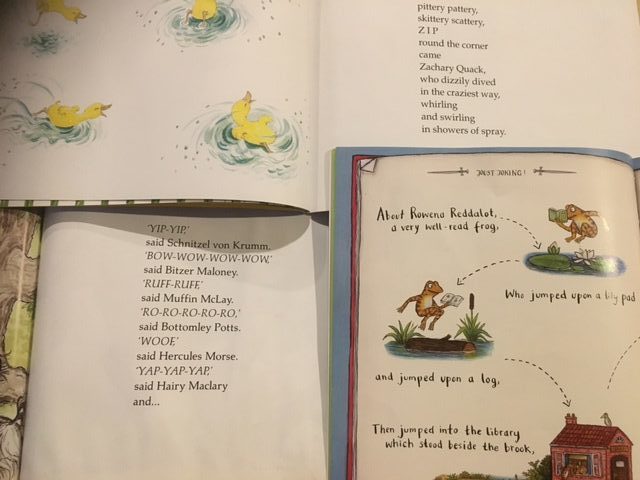
At this age they’re not reading, they’re listening — but everything counts. Exposure to language that varies from daily speech, to story structures, to the experience of sitting with a book as something enjoyable, is laying the groundwork for everything that comes later. Read books with rich vocabulary and good stories. Read books with pictures they want to study. Read the same books again and again without apology: repetition at this stage is how they become literate. They’re not bored of it. They’re learning it.
Fill gaps in the day with short reads: five minutes with a picture book or a poem is never wasted. Sit next to them with your own book while they look through theirs. It makes them feel like participants rather than pupils, which is exactly what you want.
With children learning to read
One of the genuine advantages of home education is that there’s no guided reader programme you have to follow, no level your child needs to reach by a certain date. Reading can be learned at their pace, from books they actually want to read.
Books they already know by heart are a useful starting point — they can connect the words on the page to the sounds already in their heads, which removes one layer of effort from a process that already has several: ‘reading’ aloud memorised text is reading at this stage. Funny books help too. A child who is giggling is a child who is relaxed, and a relaxed child learns faster.
If you want a formal programme, Teach Your Child to Read in 100 Easy Lessons is phonics-based, logically sequenced, and requires minimal prep. The co-author has a video series that is essentially a free teacher-training course for the book. Not every family uses a formal programme, and plenty manage without — but if you want one that does what it says, this one works.
Reading doesn’t have to mean books. Anything with words counts. Comic books, children’s magazines, reading apps like Reading Eggs or Khan Academy Kids — these are all forms of reading, and for a child who finds the mechanics difficult, something that feels less like a lesson can make all the difference. Many libraries offer e-book versions of children’s favourites, and Oxford Owl has a free library of e-books for learning readers.
When they do make progress, show them. A colour-in reading tracker, a stack of finished books building on a shelf, a jar of words they can now read — visible progress matters at this age. They need to see the accumulation.
With new readers building confidence
Once they can read independently, the job shifts from teaching the mechanics to keeping the habit alive and moving it forward.
Keep reading aloud together even though they no longer technically need it. Use it to introduce books slightly above their independent level, authors they wouldn’t have chosen, genres that aren’t their default. Classic literature is less intimidating than it sounds — the vocabulary is different, not impossible, and children who have been read to widely tend to adapt to it faster than you’d expect. Read widely yourself alongside them: children model behaviour more reliably than they follow instruction.
Let them read about things they’re genuinely interested in. Newspapers, magazines, articles, non-fiction — anything with words is reading, and a child who is reading about something they care about is reading far more than one who reads only assigned texts from a list. Fact-based books that are intended to give information can take the pressure off new readers because the object of reading becomes not reading for reading’s sake, but to answer a question. The actual act of reading is simply how they get to that answer — less pressure, and better motivation.
On whether ebooks count: yes, obviously. The words are the same. For reluctant readers, audiobooks can be a gateway into stories that leads them eventually to reading the book themselves.
And most importantly: there’s no rush
Academic studies show no difference in adult reading ability between children who learn to read early versus those who learn later. Not all children are ready at five. Some won’t read a full book until they’re older. Some will resist reading altogether until they find a subject they’re genuinely interested in and want to explore themselves — and then they’ll read voraciously.
If your child is resisting, don’t let it become a battleground. Keep reading to them. Make books available without pressure. Take them to library story time if you can, ask them to choose new books for the shelves, include audiobooks in the day. Keep it relaxed and they’ll get there.
If your child has a learning need that makes reading difficult, the goal is still access to words — not necessarily through reading independently. Reading to them, audiobooks, apps like Reading Eggs for guided learning, and AI-assisted reading tools are worth exploring for older learners: all of these count. What matters is that they can access what the text is communicating. If they can do that, you’re doing the job.