How to Build Read-Aloud Time into Your Home-Ed Day
We don’t really timetable reading aloud anymore. It’s more that we’d notice if it didn’t happen — someone would mention it, and we’d find a gap. It’s become that kind of habit: not scheduled, not complicated, just there. We aim for three chapters or twenty minutes per person, share the reading and do the voices. Some days it’s before breakfast, some days it’s the last thing before the afternoon wraps up. The regularity matters more than the slot.
If you’re building a home-ed day from scratch and wondering where read-aloud fits, the honest answer is: anywhere. That’s not a non-answer. It genuinely works at the start of the day as a way of easing into ‘school’, in the middle as a change of pace, or at the end as a wind-down. What makes it stick is picking a time and defending it — not rigidly, but consistently enough that it becomes expected.
(If you’re wondering why we read-aloud every day, I expand on that here.)
What to read
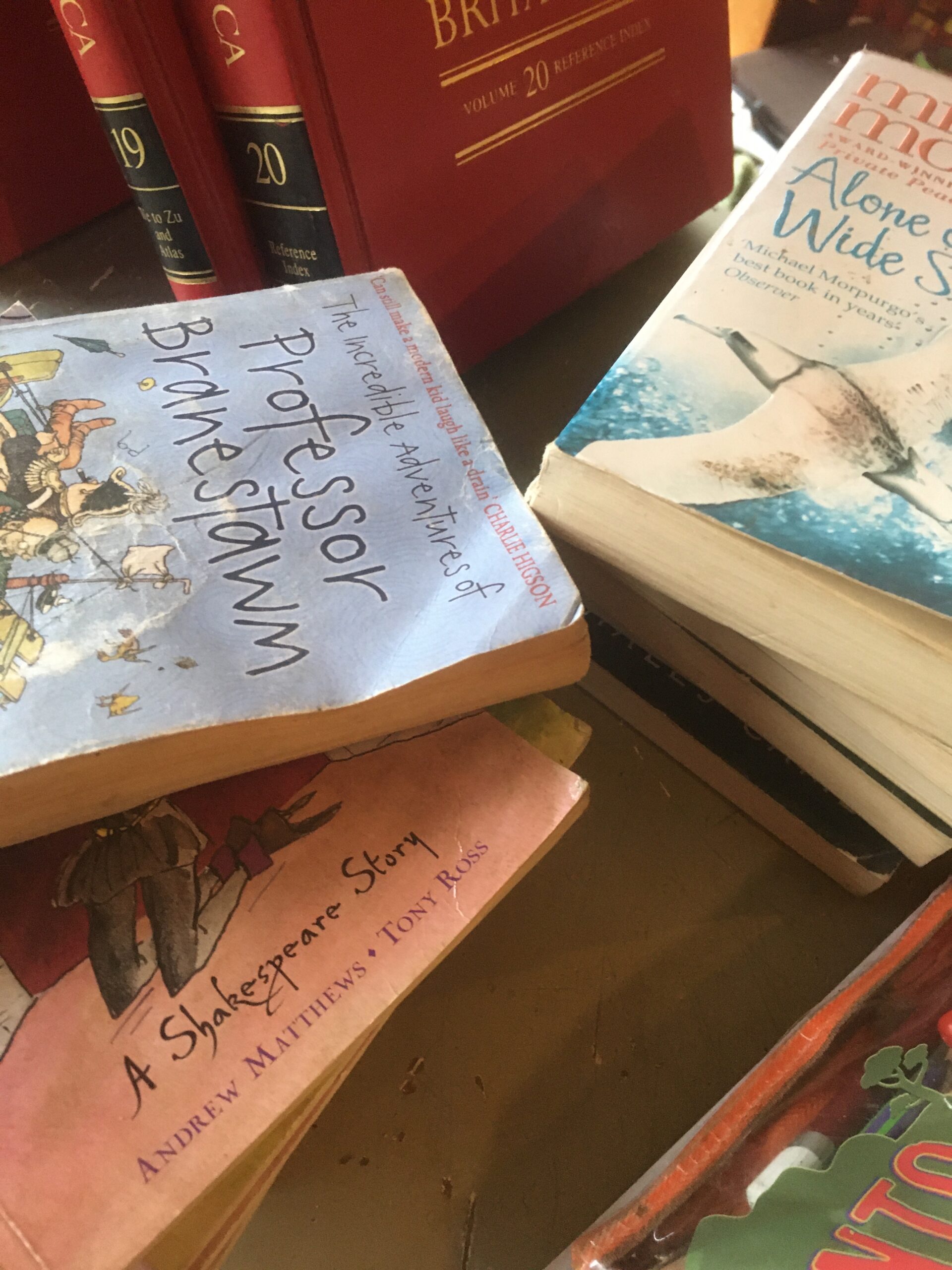
It doesn’t have to be a novel, cover to cover. Read-aloud time in our house moves between whatever novel we’re in the middle of, a magazine article someone found, a non-fiction chapter on whatever topic we’re studying. The variety keeps it from feeling like a lesson. The novel keeps the thread going.
Involve homeschoolers in the choosing. If they’ve found the article, they’re already interested in it. If they’ve picked the book from a shortlist, they’re invested. Read-aloud time where the reader has chosen the material tends to run longer and with less negotiation needed than read-aloud time where the material has been assigned.
Practical things that help
Set the rules first — who reads, for how long, whether you’re taking turns by page or chapter — so those questions don’t need answering mid-session. Allow accents, always. The best read-aloud sessions always involve deeply questionable character voices.
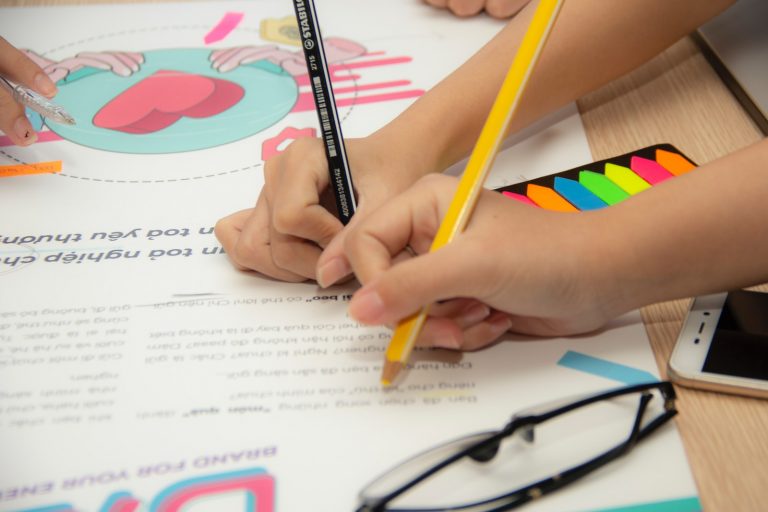
For the child who can’t sit still, pairing read-aloud with a quiet hands activity — colouring, Lego, simple craft — makes the whole thing run more smoothly. The child gets to move; the sibling-classmates aren’t distracted; the preschooler has something to do with their hands while the words wash over them. It turns out this combination works for adults, too.
Audiobooks belong in the same category. They’re not a lesser version of reading aloud — they’re a different delivery of the same thing, and for car journeys, long craft sessions, or days when nobody has the energy to perform, they’re worth having ready.
If a child struggles with reading aloud
Don’t push for a full chapter. Ask for a paragraph. Then build from there over weeks, not days. The point of read-aloud time is to make reading feel like connection and downtime, not to make it feel like a test. A child who has come from school where reading was always assessed may need longer to separate the activity from the anxiety. Keep offering. Keep going. Keep it low-stakes until it starts to feel that way for them too.