

If your child has just left school — whether that was their choice, yours, or simply the only option that made sense — you’re probably already making lists. Researching curriculum. Thinking about timetables, routines, resources.
Put the list down.
Before any of that can work, your child needs something that isn’t on any home-ed checklist: time to decompress. That process has a name. It’s called deschooling, and it is not a waste of time.
What deschooling actually is
Deschooling is the period between leaving school and being genuinely ready to learn again. It was first described by the educational philosopher Ivan Illich, who suggested that for every year a child spent in school, they needed roughly one month of deschooling — time to shake off the anxiety or pressure they’ve come to feel around learning, and to remember that curiosity is actually natural to them.
For children who’ve had a hard time in school, that means rebuilding their relationship with learning before you ask anything of it. For children who’ve simply chosen a different path, it means unlearning the rigid, one-size-fits-all ways of learning they’re used to, so they can start again in a way that actually centres them.
You don’t have to follow Illich’s formula rigidly — sometimes a few weeks is enough. But it’s a useful gut-check. A child who spent five years in a school that wasn’t working for them probably isn’t going to bounce back in a fortnight.
What it looks like
From the outside, deschooling can look like not very much. That’s the point.
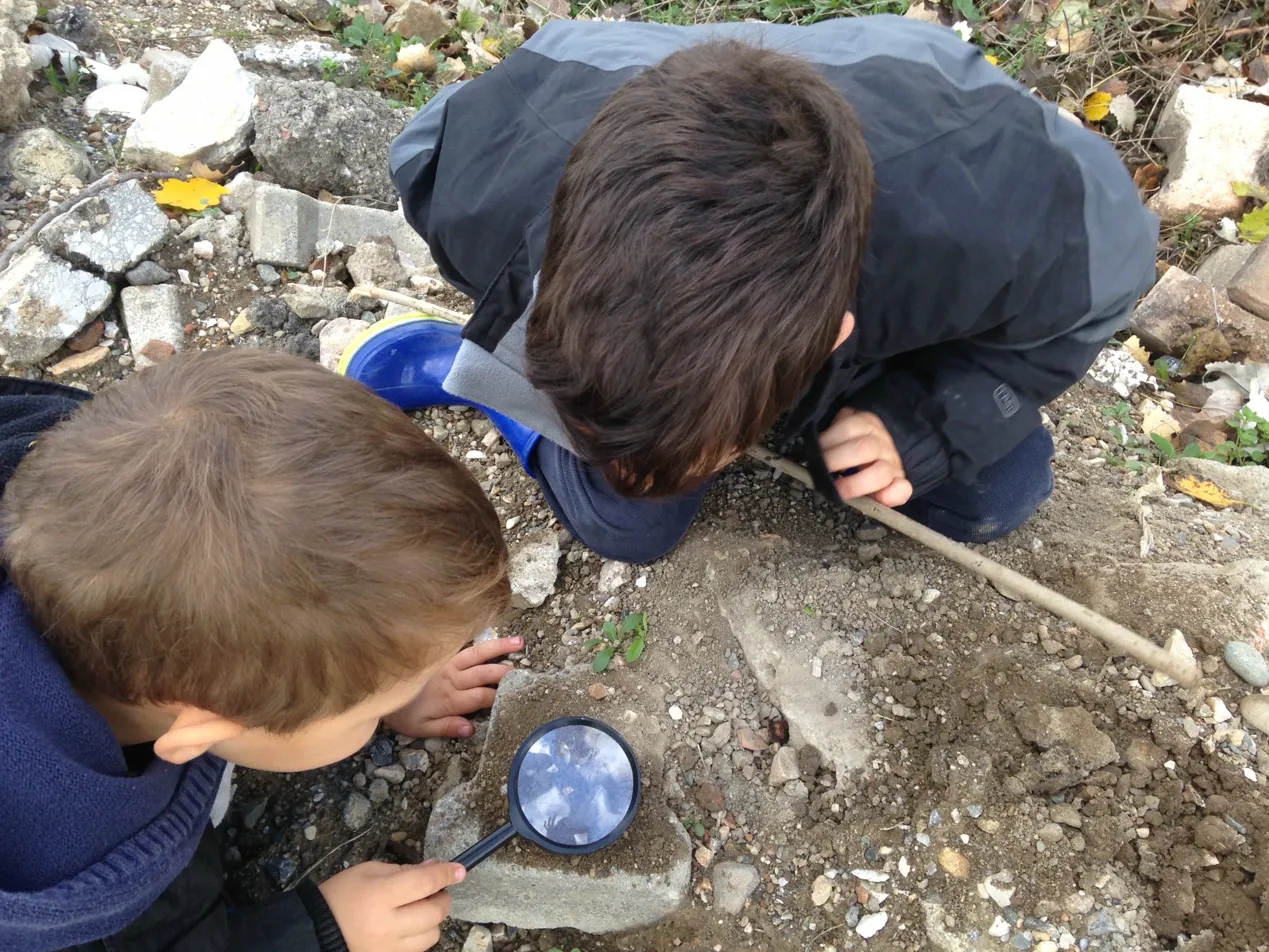
Sleeping in. Reading whatever they want. Following an interest down a rabbit hole with no particular destination. Playing — because play is learning. Baking, building, gaming, drawing, watching documentaries. Getting outside. Just being at home, feeling safe, not being assessed.
None of this is wasted time. A child who is rested and reconnected to their own interests will learn faster than one who is burnt out and braced for pressure. You are not behind. You are not wasting time. You are doing exactly the right thing.
What it looks like for you
Deschooling isn’t only for your child.
If you’ve spent months watching them struggle — fighting to get them into school, dealing with the fallout when they got home, fielding calls, sitting in meetings — you’re tired too. The decision to home educate, even when it’s clearly the right one, is enormous. Give yourself permission to settle into it slowly.
Use this time to observe. Watch how your child spends their time when there’s no pressure. Notice what they gravitate toward, when they’re energised, when they’re not. You’re gathering information that will shape everything that comes next — the curriculum, the rhythm, the whole approach. It counts.
When to start introducing structure
There’s no universal answer, but this rough framework is a useful starting point:
Weeks 1–2: Do almost nothing structured. Don’t mention lessons. If they ask to do something educational, follow their lead. If they don’t, that’s fine too.
Weeks 3–4: Gently introduce rhythm without routine — meals at regular times, a walk, some reading together. No timetable, just a loose shape to the day.
Month 2: If they seem ready, try a Study Week — a loose, interest-led week where they explore things that genuinely interest them. Watch carefully: it tells you a lot about how they learn best. [More on Study Weeks here.]
Month 3+: Start introducing light structure if they’re ready. Some children bounce back faster; others need longer. Trust what you see, not what the calendar says.
There is no race
The school system’s timelines are not compulsory. GCSEs don’t have to happen at 16. Children don’t need to be reading by 7. Home education — homeschooling — doesn’t have to look anything like school, and changing your approach when something isn’t working isn’t failing. It’s responding. That’s good parenting, and it’s what will make you a good teacher too.
I’ve put together a free deschooling guide for the first weeks — a framework for what to expect, and a space to note what your child gravitates toward during this time. Those observations are more useful than any curriculum research you could be doing right now.
