Structured Unschooling
This post covers the middle years of home education — roughly ages 7–11 and into the early discovery years if you’re using our Academic Building Blocks framework. It’s what worked for us during that period. Our approach looks different now they’re older teenagers, and that’s exactly the point.
When you start reading about home education it quickly becomes overwhelming. Methodologies, terminology, styles, curricula. Project-based, school-at-home, course-based, student-led. There seems to be so much you need to know before you even start thinking about the actual day-to-day.
It took me a long time to realise that the curriculum of any given term doesn’t have to cover everything — or even cover what it’s covering perfectly. The best homeschool curriculum is the one that fits best right now. Not the one that looks most complete on paper. We had to live that lesson before we believed it.
If we had to describe the way our children learned during those years in recognisable terms, it would probably be structured unschooling — which may or may not be a real term, but describes what the idea was. Our mornings followed a routine that covered core subjects — maths, English, and the subjects that would matter for qualifications eventually — and the afternoons were for free learning: whatever they were interested in, whatever they wanted to explore, whatever they’d been itching to get to all morning.
What the mornings looked like
Morning school, which didn’t always happen in the morning, took around three hours and followed a loosely guided structure based on where each child was academically. Core subjects and reading aloud were non-negotiable. Everything else was flexible.
What the afternoons looked like
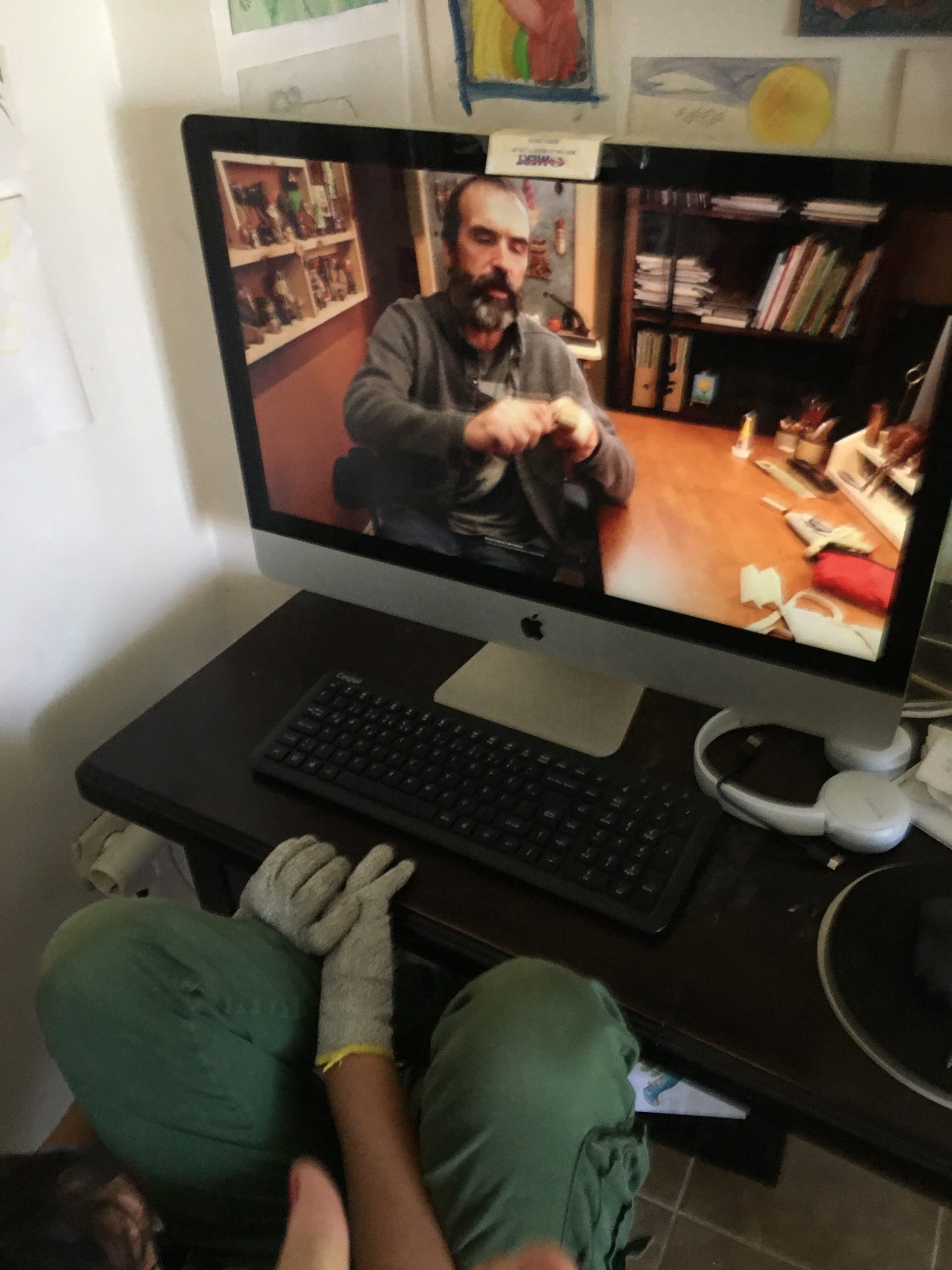
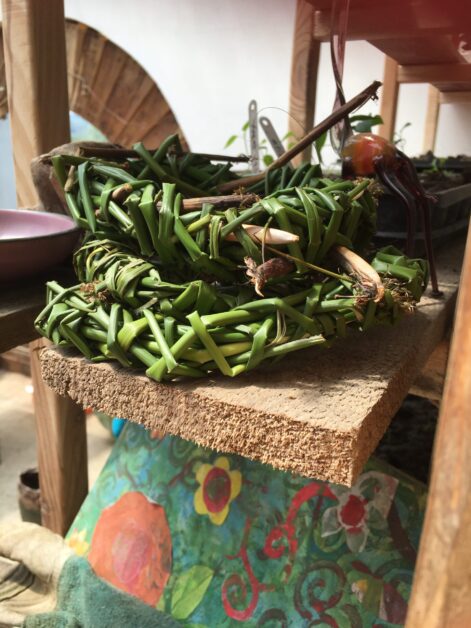
The afternoons were where unschooling came in. Some weeks they’d work on an ongoing project, some weeks the focus was music or being outdoors or art. Other weeks we’d all tackle something together — a DIY project, a topic one of them wanted to study, a job in the garden, a trip somewhere. Some afternoons they’d disappear entirely into something I hadn’t planned and come back having learned something I couldn’t have taught them.
The rule was simple: if they’re productive, they’re learning something. And every little something has value.
The structure underneath the freedom
Pure unschooling — handing the curriculum entirely to the child with no steering at all — didn’t suit me. I needed the reassurance of knowing that core subjects were being covered. So as much as the afternoons were unschooled, there was still a layer of quiet structure underneath them.
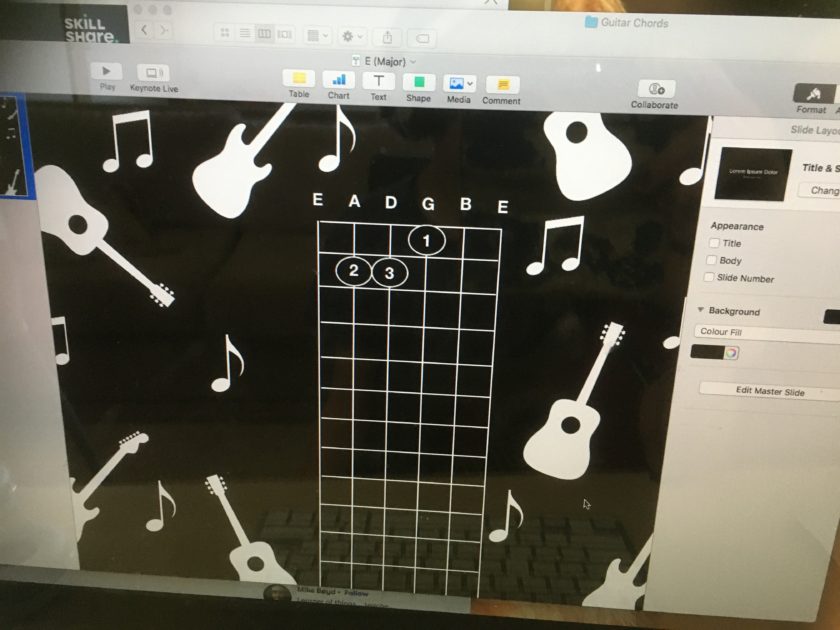
New materials — games, art supplies, magazines — rotated regularly around the house. New courses in music, coding, screenwriting, or art appeared on their course lists. Outings were suggested, documentary lists were curated and kept accessible. We weren’t telling them what to do — we were making sure the environment made certain things easy to reach. Without turning home into school, we tried to create the conditions where learning for its own sake just happened.
What changed
As they moved into their mid-teens, the balance shifted. The unschooled afternoons gave way to more structured independent study — weekly folders, GCSE preparation, and longer projects with real deadlines. The morning/afternoon split stopped making sense. What replaced it was different, and better suited to where they were.
That’s not a failure of the structured unschooling approach. It’s the approach working exactly as it should — giving them a foundation solid enough to build something more demanding on top of. If there’s one thing I’ve learnt from home-educating over 10+ years, it’s that flexibility is the key.
Structured or not, unschooled or course-led: no single approach suits every family or every child, or every stage of the same child’s education. Take the pressure off trying to make your homeschool fit any one mould permanently. Find out what works now. You can always try something different next term.
Reevaluating how the routine we’re using is working for their education/personal needs at various points in the year is important, and it’s really easy to forget to do that. Scheduling study weeks into our home-ed year is how I ensure we do pause and ensure their day-to-day routine and academic plan is meeting them where they are. If that sounds like something that might be useful to you, you can read about study weeks here and download a free guide to implement the system in your homeschool.


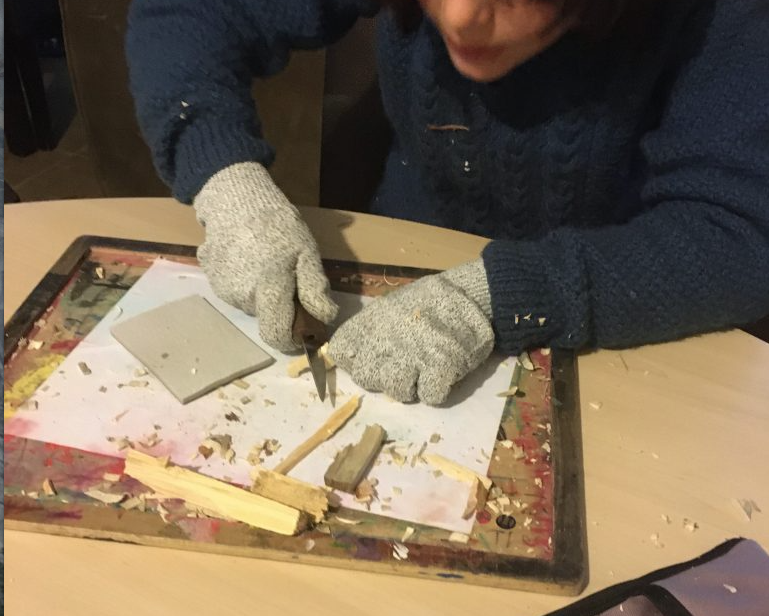
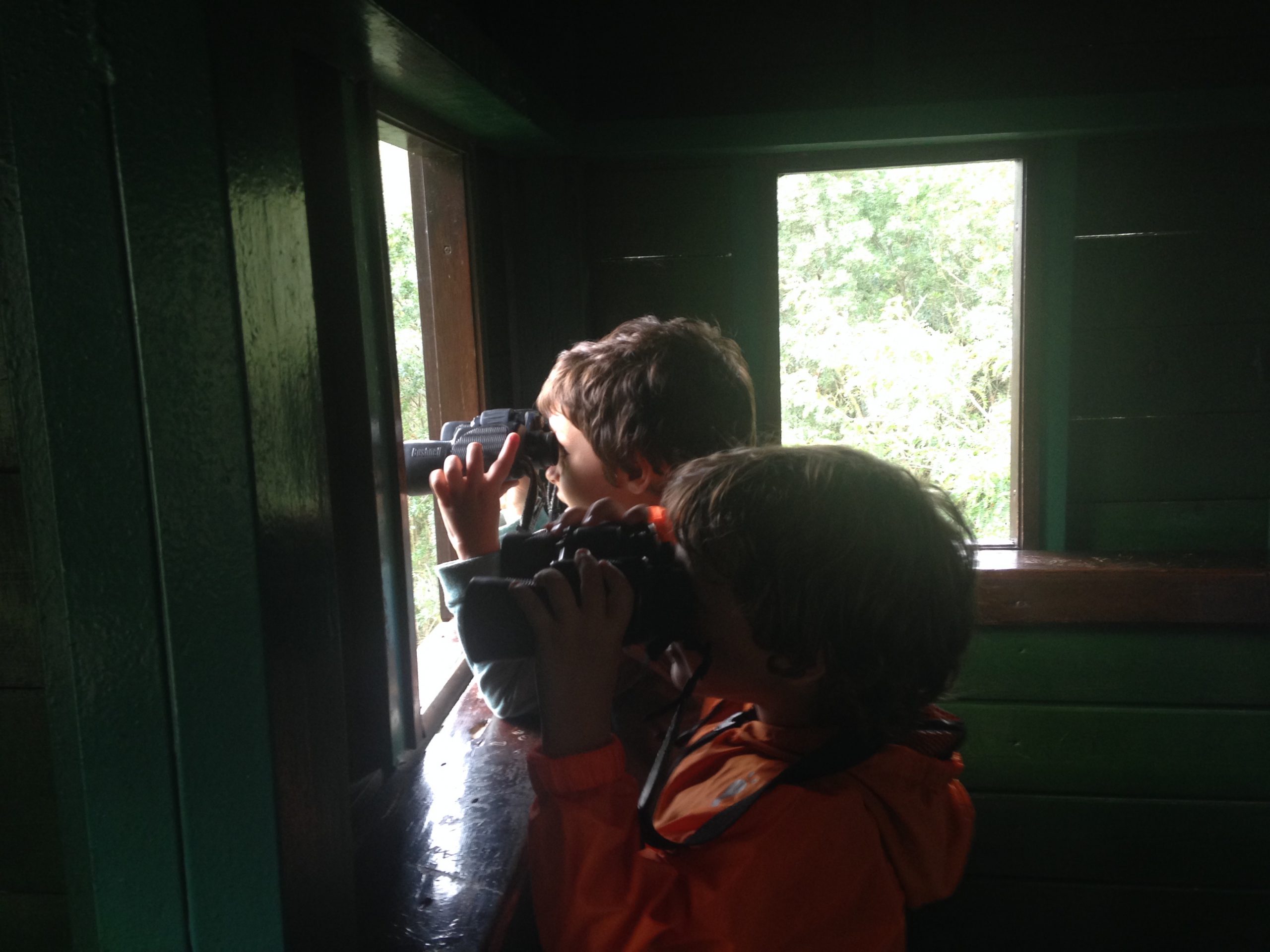

If they’re productive they’re learning something, and every little something has value.