First Week of Home Education? Don’t Start Teaching Yet
Now you’re officially home educating, the temptation in week one is to dive right in. To plan the year, research curriculum, to build a timetable that proves to yourself — and maybe your critics too — that you know what you are doing.
Please don’t.
Here’s the honest version of this: you won’t know if you’ve got it right until your children age out of home education. That sounds daunting. But it’s also quietly liberating, because it means week one doesn’t have to be perfect. It just has to be a beginning.
What home education gives you, and this takes a while to actually believe, is time. Not just time in the day, though there’s more of that too, but time in the long sense. There’s no daily bell, no invisible finish line your child is expected to cross at the same moment as thirty other children born in the same twelve-month window.
Education doesn’t have to be linear. It doesn’t have a fixed end point. And your child is not “falling behind” — there is nothing to fall behind from.
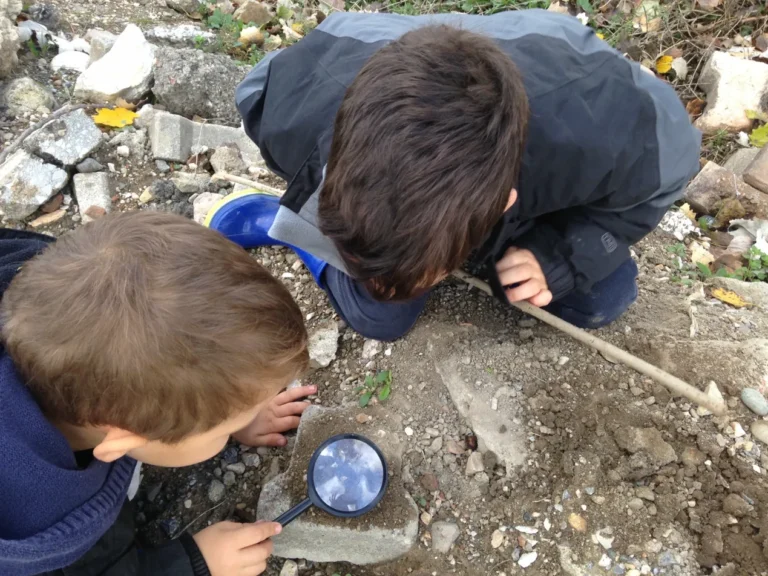
So this week, if you can: just watch. Notice what your child gravitates towards when nobody is directing them. Notice when they’re relaxed, when they resist, when they light up.
You’re not wasting time. You’re gathering useful information about how your particular child learns.
(If you want a simple way to capture that, the Getting to Know Your Learner resource might help.)
While your child settles, and in many cases recalibrates, especially if school hasn’t worked for them, sit with a few questions. What do you want your child’s days to feel like? What does “education” actually mean to you? What might learning look like when it’s built around your child, rather than a system built for everyone?
The answers don’t need to come this week. They come gradually, as you watch.
When you’re ready to think about what home-ed will actually look like once you’ve all settled into this new version of normal, these are good next reads.
Deschooling and Study Weeks — re-spark curiosity for learning, and plan for what’s next.
Academic Building Blocks — a framework for thinking about home education over the long term, teaching to the child rather than an age-assigned school year.