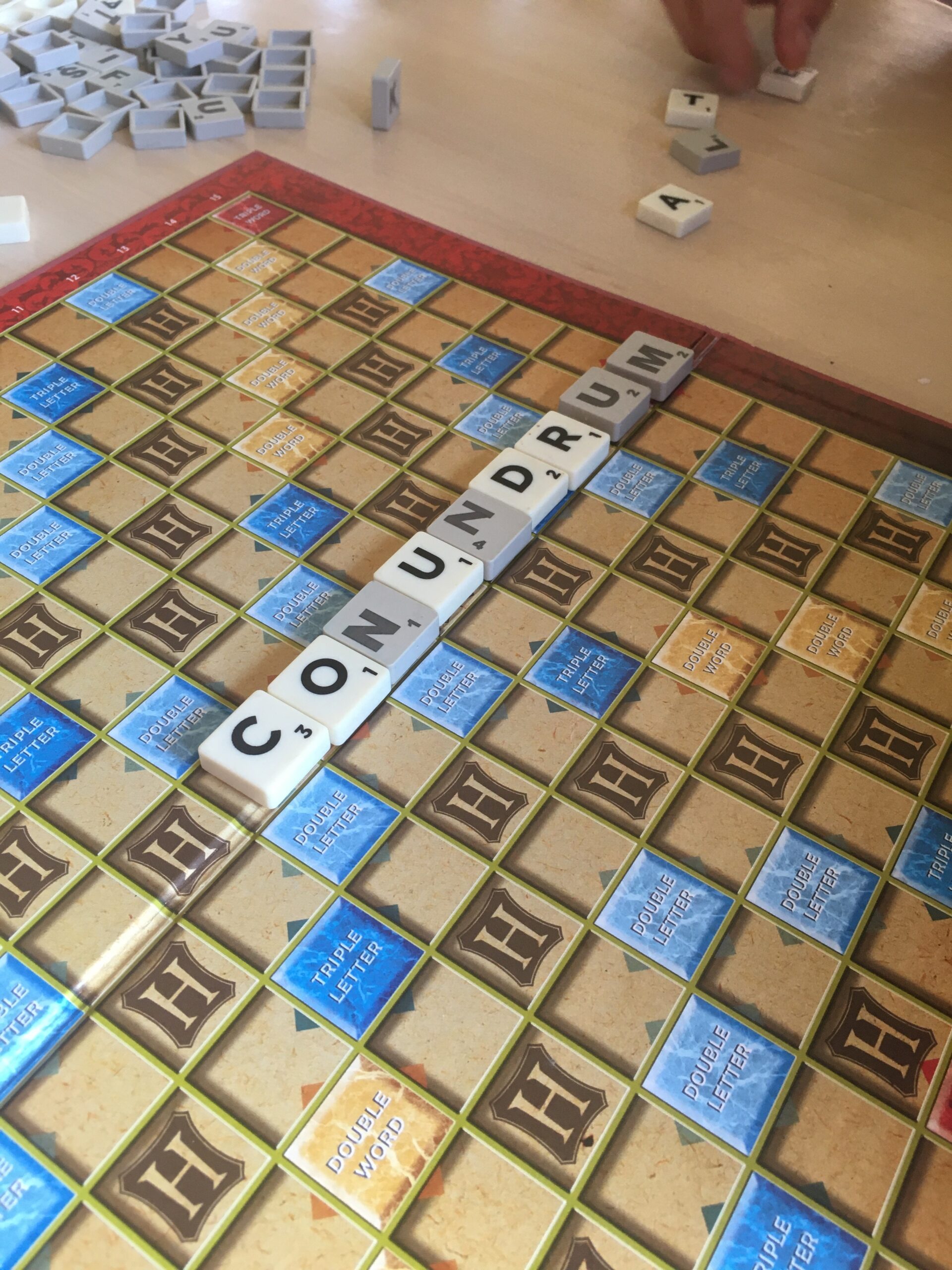
When the medium was holding him back
There was a period in our homeschool where one of our learners would start a lesson switched on and finish it deflated. Not because he didn’t know the material — you could tell from the way he talked about things, the questions he asked, the connections he made that he understood. But ask him to write any of it down and something would go wrong between his head and the page.
As his teacher, it was frustrating. As his parent, it was quietly worrying. When a child isn’t producing work that reflects what you know they’re capable of, the questions start. Is this the wrong approach? The wrong curriculum? Is homeschool the wrong choice altogether? Am I missing a SEN flag: could this be dyslexia? You run through the checklist at eleven o’clock at night and none of the answers feel right, because you can see he’s trying and you know from how he reads that it’s not dyslexia, even as your brain tries to question your judgement.
We tried breaking assignments into smaller chunks. We tried letting him choose when he felt ready to write. We tried different subjects, different times of day. The trying helped a little; some days, he’d write well – but it didn’t fix the problem.
The clue came almost by accident. I noticed that copy work — tasks where he was reproducing text rather than generating it — felt different for him. He was calmer. More focused. His handwriting improved. And I started to pay attention to what was different about those tasks versus the ones that weren’t producing the results he was capable of.
Writing is two jobs running at the same time. There’s the physical act of forming letters — holding the pen, applying pressure, shaping each character — and there’s the cognitive work of finding words, building sentences, deciding what you want to say. For fluent writers, those two things happen without thinking. For children still building that muscle memory, the first job takes real effort. And effort spent on letter formation is effort not available for the second job — the one the lesson was actually supposed to be about.
He was focusing so hard on getting the words onto the page that he kept losing the words he was trying to put there.
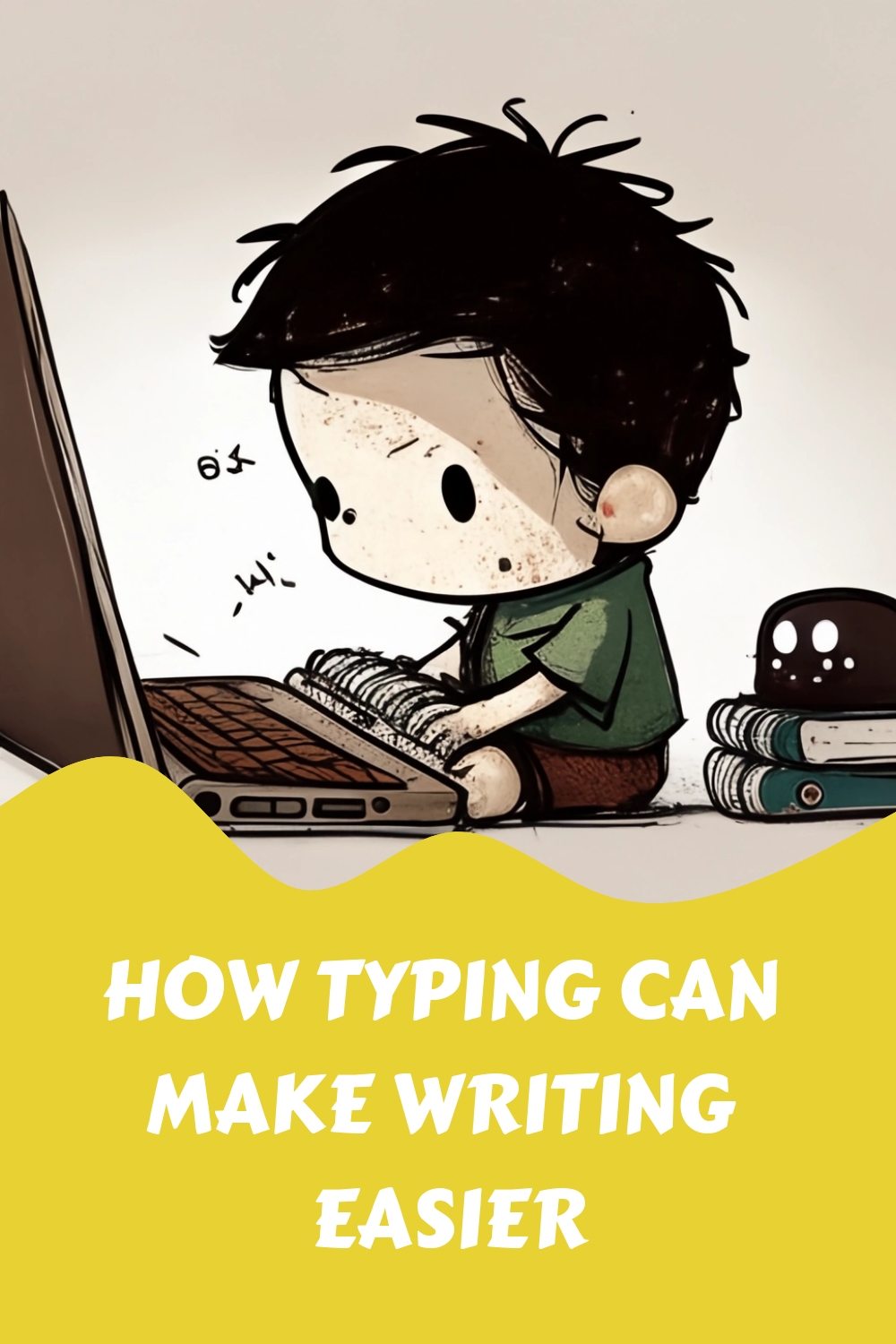
Once I understood that, the fix was simple. Typed work for anything where expressing his knowledge was the point. Copy work kept in for deliberate handwriting practice, where letter formation was the actual task. Two different jobs, two different tools. Lessons that had been taking forty minutes started taking twenty. He was happier. I was less of a worried parent and more of a teacher who could see what he knew.
I’d like to say I spotted it quickly. I didn’t. It took longer than it should have. But I’ve thought about it a lot since, because I don’t think he was unusual. There are a lot of children whose written work consistently underrepresents what’s in their heads, and whose parents read that gap as a learning problem when it’s a medium problem. The learning is there and the pen is getting in the way.
You’re the one who sees this child every day. You will notice things a classroom teacher with thirty students wouldn’t have time to see. That noticing is the main work of your homeschool — even when it takes a while, even when you work through the wrong explanations first and get by on coffee to counteract the sleepless nights.
(The practical side — when to use typing, when to use copy work, and how to build handwriting practice in without it becoming a battle — is in the Teaching section.)